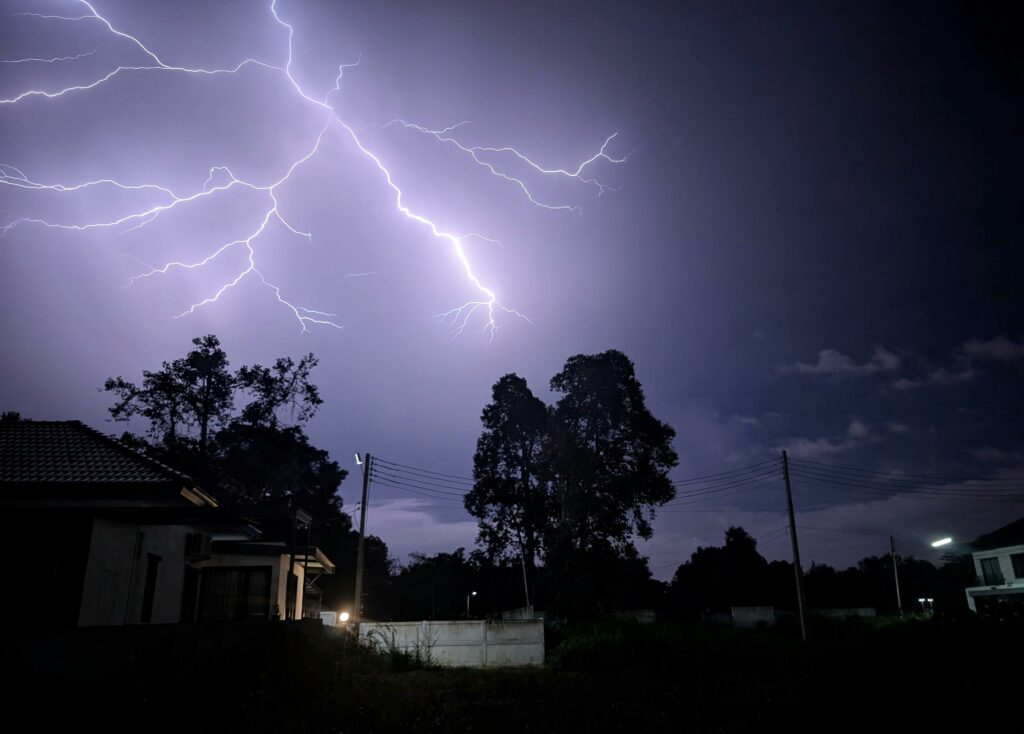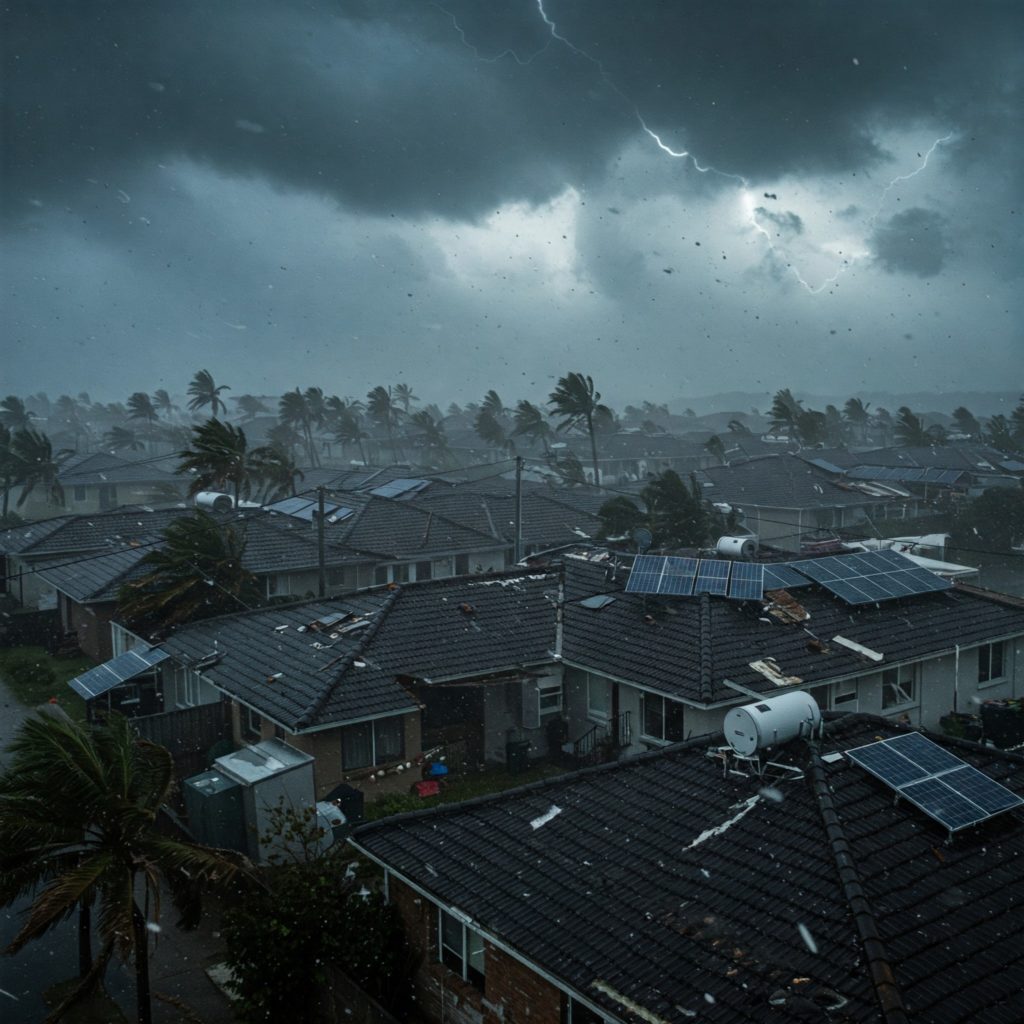

With a cyclone expected to impact South East Queensland, thorough preparation is crucial—not only for your home but also for your solar hot water and solar energy system. While high-quality solar panels are designed to endure strong winds and have undergone rigorous testing against hail and debris impact, extreme weather can still present potential hazards. Taking proactive measures to safeguard your system and property can significantly reduce the risk of damage and ensure that your solar investment remains intact and functional after the storm.
Steps to Prepare Your Solar System for a Cyclone

1. Secure All Loose Objects Around Your Property
One of the greatest dangers during a cyclone is airborne debris. Loose items can turn into dangerous projectiles, potentially damaging your solar panels, home, or other structures. To minimise risks before the storm arrives you should:
Flip trampolines upside down or firmly anchor them to the ground.
Store outdoor furniture, BBQs, garden tools, and other unsecured objects inside.
If you have poolside furniture, consider placing it in the pool to keep it from being lifted by strong winds.
Trim overhanging tree branches that could break off and cause damage to your solar panels or roofing.
Check and secure any loose roofing materials, such as tiles or sheets, to prevent them from becoming flying hazards.
Remove or tie down any lightweight items from balconies, patios, and carports to avoid them becoming airborne.
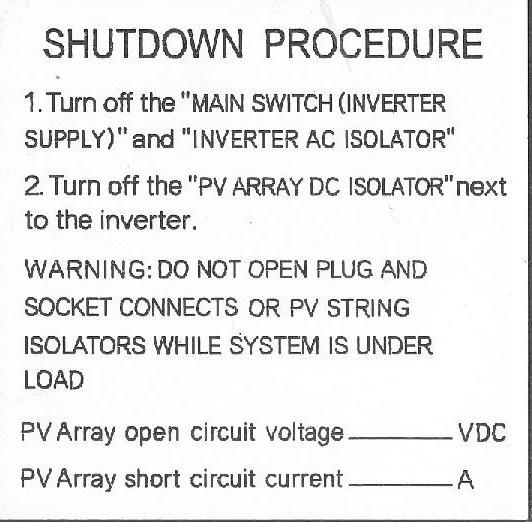
2. Understand Your Inverter’s Shutdown and Isolation Procedure
In the event of extreme weather, knowing how to properly turn off and isolate your solar system is crucial. If your home experiences flooding, electrical hazards could arise. To stay safe:
Read the label on your inverter to familiarise yourself with the shutdown and isolation procedure.
If an evacuation is necessary, consider shutting down your system as a precaution.
Never attempt to turn your system back on until it has been inspected by a qualified professional, as hidden damage can pose significant safety risks.
Follow the specific guidelines provided by your solar installer or manufacturer’s manual to ensure you are taking the right precautions.
If you live in a flood-prone area, elevate essential electrical components where possible to reduce exposure to rising water levels.
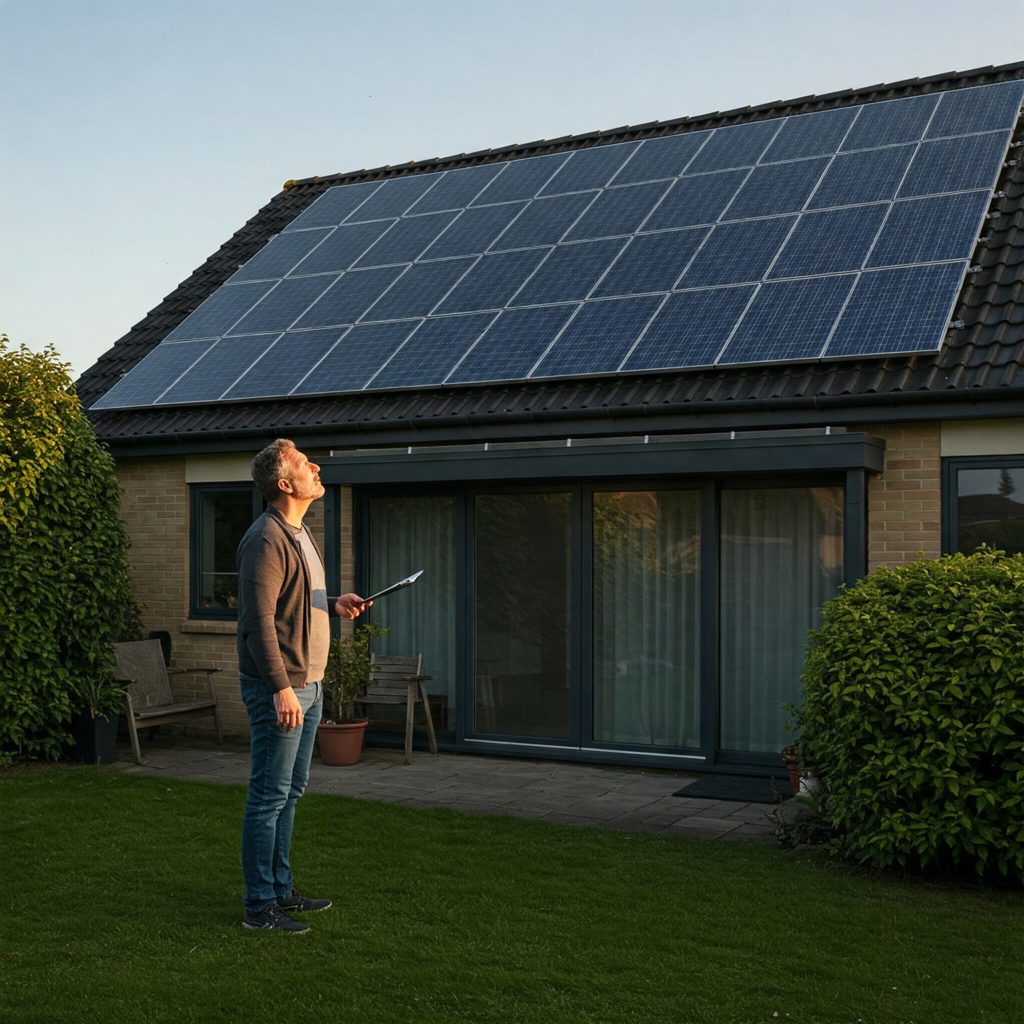
3. Inspect Your Solar System After the Cyclone Passes
Once the storm has moved on, conduct a visual inspection of your solar system from a safe distance. Look for:
✅ Solar panels that have shifted out of place, cracked, or appear loose.
✅ Exposed or damaged wiring, or issues with the mounting system.
✅ Flooding around your inverter, hot water tank or other electrical components.
✅ Roof damage that could affect the integrity of the solar panel installation.
✅ Signs of burnt or melted components, which could indicate electrical damage.
If you notice any of these warning signs, do not attempt to restart your system. Internal faults may not be immediately visible but can impact performance and safety. Instead, contact us for a thorough inspection before powering up your system again.

4. Schedule a Professional Inspection
Even if your solar system appears intact, it’s always best to have a professional technician assess its condition after a cyclone. A certified expert can:
Check for microcracks in panels that may not be visible to the naked eye but could impact long-term performance.
Assess the mounting system to ensure panels remain securely attached.
Inspect electrical connections for water intrusion or damage.
Confirm your system is safe to operate before it is switched back on.
Scheduling a post-storm inspection provides peace of mind and helps maintain the integrity, efficiency and safety of your solar power and solar hot water / heat pump system.
Final Thoughts: Stay Safe and Be Prepared
Cyclones and extreme weather events are part of life in Australia, but with the right precautions, you can protect both your home and your solar system. By securing loose objects, understanding your inverter’s isolation process, and arranging for a professional inspection after the storm, you can minimise risks and ensure your system remains safe and functional for years to come.
At Solahart Gold Coast, Redlands and Beenleigh, we are here to help. If you have any concerns about your solar panels after a storm, don’t hesitate to reach out to our team for professional advice and support. Your safety and the longevity of your solar investment are our top priorities.